
The Thrill of Risk: Understanding High-Stakes Gambling
High-stakes casino games draw players into a world where risk and reward intertwine. The psychology behind participating in these games is rooted in the thrill of uncertainty. Players often find themselves in a heightened emotional state, driven by adrenaline and the potential for substantial winnings. This emotional rush can amplify decision-making processes, leading individuals to take bolder risks than they might in everyday life. Such high-stakes experiences can sometimes lead players to consider options like bookies not on gamstop, especially when feeling the pressure of loss.
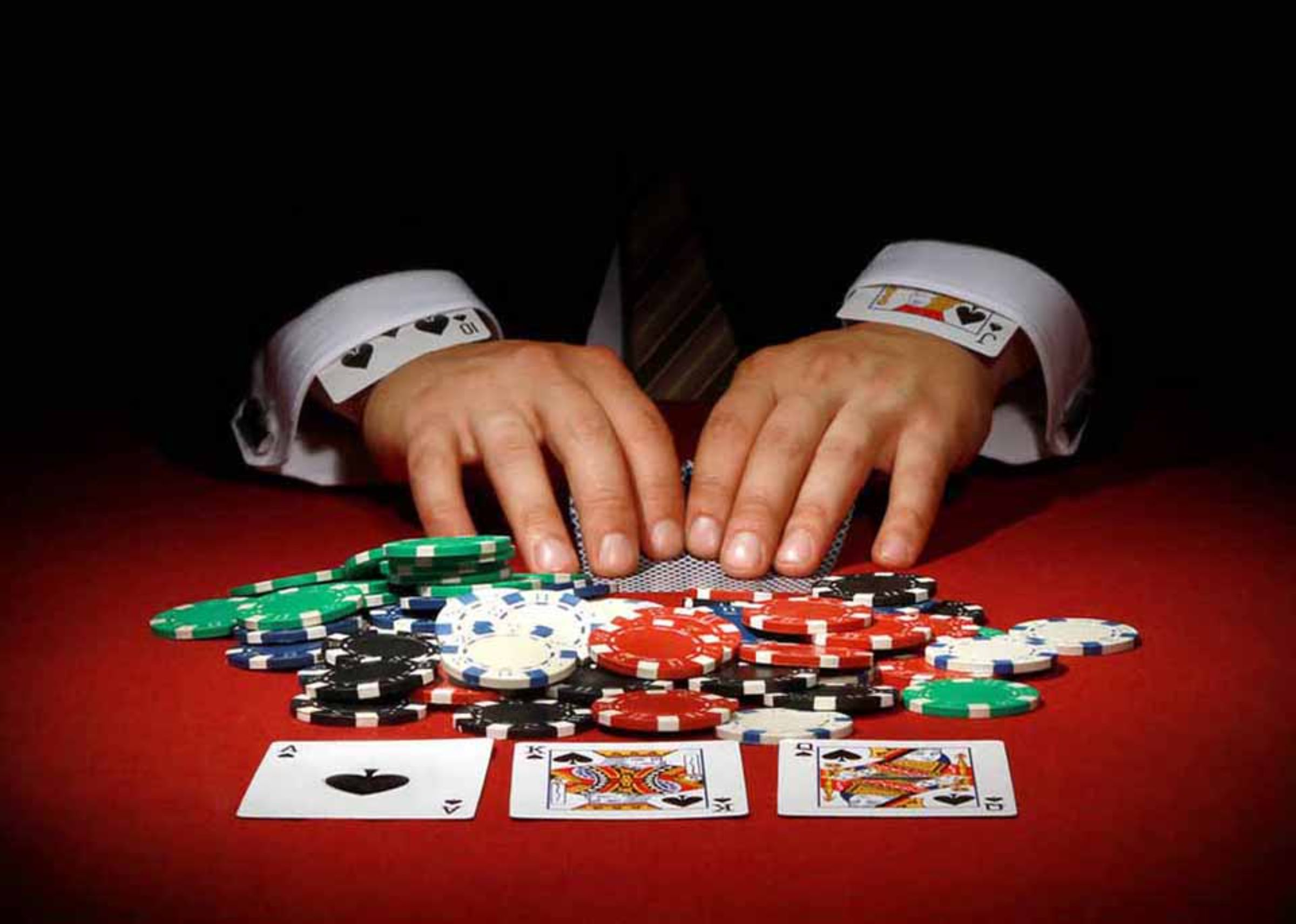
Moreover, the allure of high-stakes gambling can often be linked to the concept of loss aversion. Humans are generally more motivated to avoid losses than to achieve gains. In high-stakes environments, the fear of losing a significant amount can lead to a paradoxical increase in risk-taking behavior, as players chase their losses in hopes of redemption.
The Role of Social Influence in Casino Games
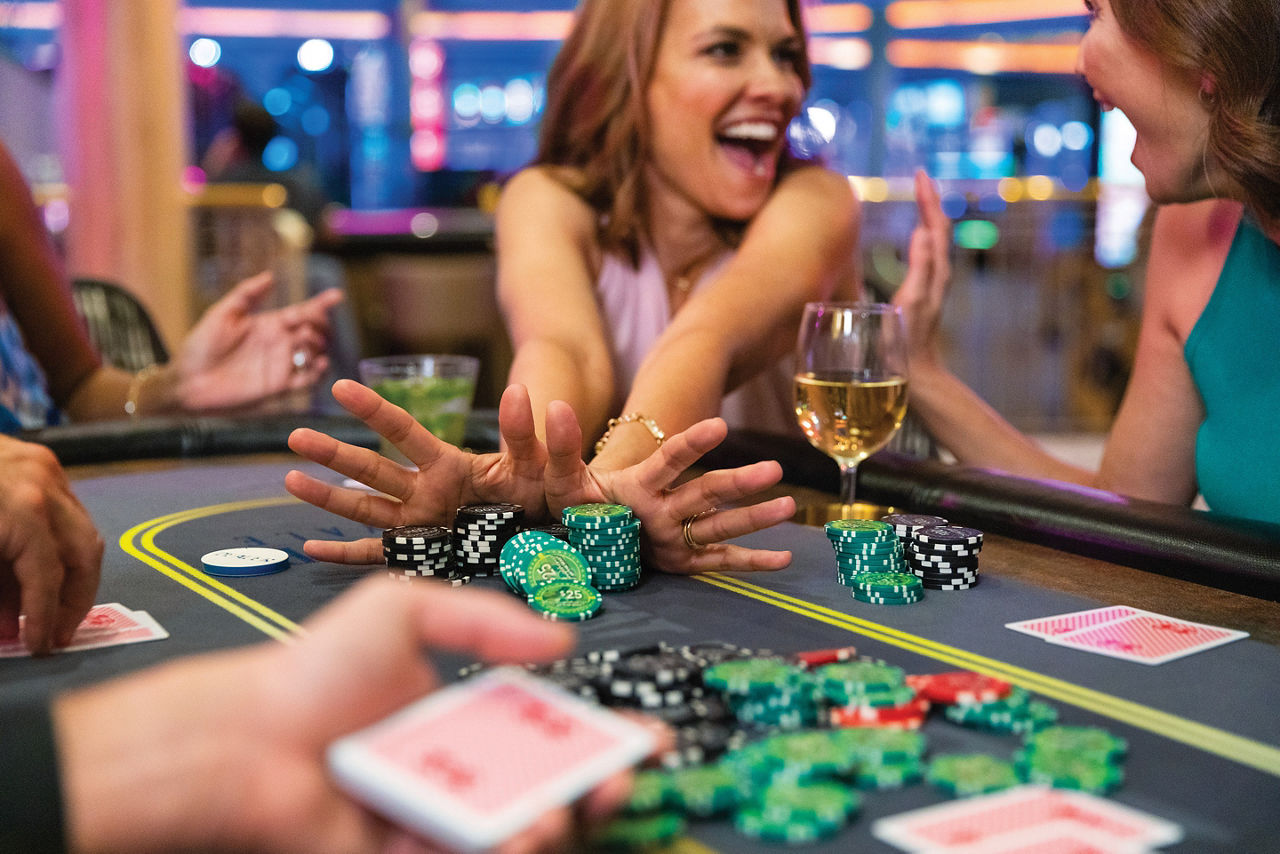
The social environment in casinos plays a pivotal role in shaping the gambling experience. High-stakes games, often played in lively settings, create an atmosphere charged with energy and excitement. The presence of other players can evoke a sense of camaraderie and competition, affecting individual behaviors and choices. The psychology of social proof—where individuals look to others for cues on how to behave—can drive players to engage in riskier betting strategies.
Furthermore, the interaction with dealers and other participants can create a sense of belonging and validation. Social interactions in these settings can heighten emotional responses, making players more inclined to continue betting even in the face of mounting losses, as they seek acceptance and recognition from their peers.
Cognitive Biases and Gambling Decisions
Gambling decisions are often influenced by various cognitive biases that can skew rational thinking. One prevalent bias is the gambler’s fallacy, where players mistakenly believe that past events can influence future outcomes. In high-stakes games, this can lead to players making illogical bets based on perceived patterns rather than statistical probabilities. This misunderstanding of chance can significantly affect their betting behavior.
Another common bias is overconfidence, where players overestimate their skill or understanding of the game. In high-stakes environments, this can result in players underestimating the risks involved, prompting them to make reckless financial decisions. The combination of these cognitive distortions often traps players in a cycle of optimistic thinking, driving them deeper into the high-stakes world.
The Emotional Aftermath of Gambling
The aftermath of high-stakes gambling can be emotionally charged and complex. For many players, the experience can lead to a wide array of emotions, ranging from exhilaration to despair. Winning can create a euphoric high that reinforces future gambling behavior, while losing can lead to feelings of guilt, shame, or anxiety. This emotional rollercoaster can affect mental health and overall well-being.
Furthermore, the impact of high-stakes gambling can extend beyond the individual, affecting relationships and social circles. Players may find themselves isolated or alienated from loved ones due to their gambling behavior, creating a cycle of negative emotions that can be challenging to break. Understanding these emotional consequences is crucial for providing support to individuals grappling with gambling addiction.
Understanding Casino Regulations and Responsible Gambling
This website is dedicated to providing insights into various aspects of gambling, including the psychological factors at play in high-stakes games. By exploring these themes, we aim to promote responsible gambling practices and encourage awareness of the psychological influences that can affect behavior in casinos.
As players navigate the complex landscape of high-stakes gambling, it is essential for them to understand the regulations in place and the importance of gambling responsibly. Seeking help and resources for managing gambling habits can aid individuals in maintaining a balanced approach to gaming, ensuring that the thrill remains enjoyable and does not become detrimental.